

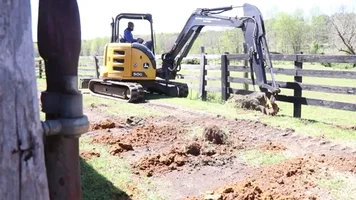

If you’ve ever dealt with a soggy lawn, water pooling near your foundation, or a damp basement after heavy rain, you’re a homeowner. Yay! And a French drain might be the solution you didn’t know you needed.
Despite the name, a French drain isn’t from France, it was popularized in the 1850s by Henry Flagg French, a U.S. farmer and judge who wrote about efficient farm drainage systems. And today, it’s one of the most effective ways to protect homes from water damage.
What Is a French Drain? A French drain is a simple but highly effective drainage system designed to redirect water away from problem areas. It typically consists of:
- A gravel-filled trench
- A perforated pipe (usually PVC)
- A fabric liner to prevent soil clogging
Water naturally flows into the trench, enters the perforated pipe, and gets carried safely away from your home’s foundation, yard, or basement.
Why Homeowners Install French Drains French drains are used to solve:
- Foundation Water Issues Water pooling near your home can seep into the foundation, leading to cracks, mold, and structural damage.
- Basement Flooding Interior French drains are installed along basement perimeters to capture groundwater before it reaches your floor.
- Yard Drainage Problems Low spots in your lawn that stay muddy long after rain? A French drain can redirect that water to a dry well or storm drain.
- Driveway & Hardscape Protection Improper drainage can cause pavers to shift and concrete to crack over time.
Interior vs. Exterior
Exterior French Drains
- Installed around the perimeter of your home
- Prevent water from reaching the foundation
- Ideal during new construction or major landscaping
Interior French Drains
- Installed inside the basement along foundation walls
- Often paired with a sump pump
- Common in existing homes with recurring water intrusion
Signs You Might Need a French Drain If you’re seeing these issues, early action is key. Water damage only gets more expensive the longer it’s ignored:
- Persistent basement dampness
- Water stains on foundation walls
- Musty odors
- Standing water in yard after rain
- Soil erosion around foundation
How Much Does a French Drain Cost?
Costs vary based on:
- Length and depth of trench
- Interior vs. exterior installation
- Soil type and accessibility
- Whether a sump pump is needed
On average:
Exterior systems: $2,000–$10,000+
Interior systems: $4,000–$12,000+
While it’s an investment, it’s far less costly than foundation repairs or mold remediation.
Maintenance French drains are low-maintenance but not maintenance-free. To keep yours functioning:
- Inspect discharge points regularly
- Keep gutters clean to reduce excess runoff
- Avoid planting deep-rooted trees near the drain line
- Flush the system periodically if accessible
- Clogs from sediment or roots are the most common issues.
DIY or Hire a Pro? Small yard drainage projects can be DIY-friendly. However, foundation and basement systems require precise grading and proper installation. Mistakes can lead to bigger water problems and potentially void warranties. If water is threatening your home’s structure, best go for professional installation.
Check out this article next